INDIA'S AFGHAN MUDDLE
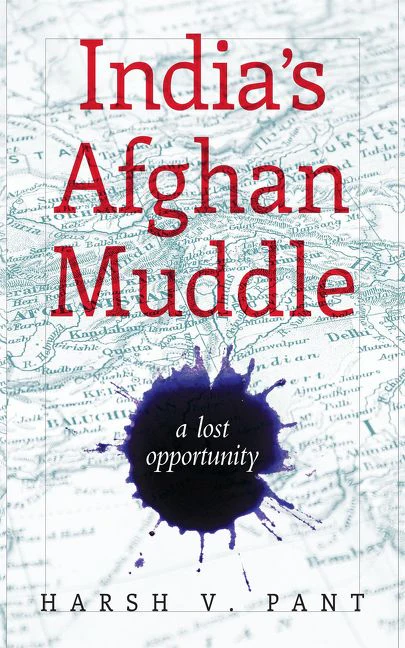
As Western forces withdraw from Afghanistan, an expert analysis of what it means for India.
Afghanistan’s biggest watershed since 2001, the year the war on terror began, is upon it. Western forces are in the middle of a pullout that is likely to result in a much smaller military footprint after this year. On the face of it, the stage is set for India – a regional power with global aspirations – to rise to the occasion, bank on its goodwill, and help rebuild the nation. But presented with a golden opportunity, India has been found wanting.
This book examines the changing trajectory of Indian policy towards Afghanistan and argues that New Delhi has been responding to a strategic environment shaped by other actors, without developing an autonomous posture. By refusing to be proactive, India has lost the initiative and done some long-term damage to its vital interests, the least of which is gaining access to the energy-rich central Asian region while the biggest is to foil Pakistan and the Taliban’s designs of once again rising to prominence in Afghanistan.
The way in which India’s foreign policy shapes up – or if it does at all – will determine the consequences for Indian security after Western forces depart. As Afghanistan braces for the most important years in its political history since 2001, India’s Afghan Muddle sets the terms for the debate on why the coming years are no less important for India as well.
Product Information
Product Information
Shipping & Returns
Shipping & Returns
Description
As Western forces withdraw from Afghanistan, an expert analysis of what it means for India.
Afghanistan’s biggest watershed since 2001, the year the war on terror began, is upon it. Western forces are in the middle of a pullout that is likely to result in a much smaller military footprint after this year. On the face of it, the stage is set for India – a regional power with global aspirations – to rise to the occasion, bank on its goodwill, and help rebuild the nation. But presented with a golden opportunity, India has been found wanting.
This book examines the changing trajectory of Indian policy towards Afghanistan and argues that New Delhi has been responding to a strategic environment shaped by other actors, without developing an autonomous posture. By refusing to be proactive, India has lost the initiative and done some long-term damage to its vital interests, the least of which is gaining access to the energy-rich central Asian region while the biggest is to foil Pakistan and the Taliban’s designs of once again rising to prominence in Afghanistan.
The way in which India’s foreign policy shapes up – or if it does at all – will determine the consequences for Indian security after Western forces depart. As Afghanistan braces for the most important years in its political history since 2001, India’s Afghan Muddle sets the terms for the debate on why the coming years are no less important for India as well.